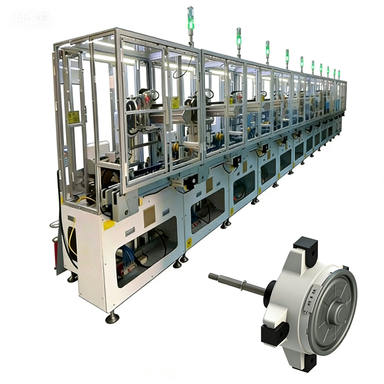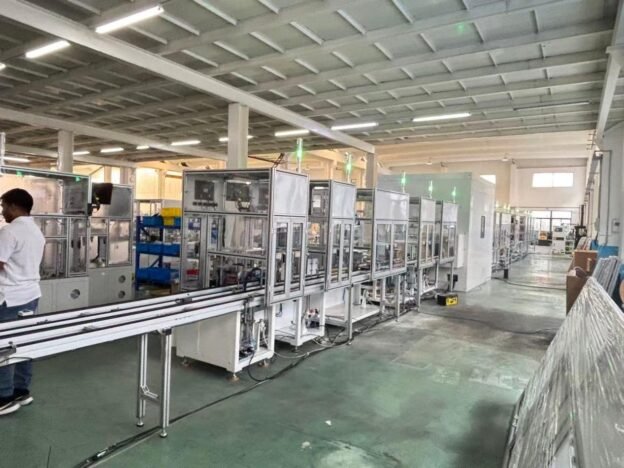
Revolutionizing Manufacturing with Custom CNC Machining Solutions

In today’s fast-paced industrial world, precision and efficiency are paramount. Businesses across various sectors are constantly seeking ways to optimize production, reduce waste, and maintain high-quality standards. One of the most effective approaches to achieve these goals is through custom cnc machining solutions. By leveraging advanced computer numerical control (CNC) technologies, manufacturers can create highly accurate parts tailored to specific requirements, leading to improved product performance and overall operational excellence.

Custom CNC machining solutions have transformed traditional manufacturing processes. Unlike conventional methods, which often rely on manual labor and standardized production, CNC machining utilizes computer-controlled equipment to cut, shape, and assemble materials with exceptional precision. This not only minimizes human error but also allows for complex designs that would be impossible or cost-prohibitive with standard techniques. As industries evolve, the ability to produce intricate, high-quality components efficiently becomes a competitive advantage.

Understanding the Core of CNC Machining

CNC machining involves the use of computer software to control machinery such as lathes, mills, and routers. These machines follow exact specifications to produce parts with consistent accuracy. The term “custom” implies that the machining is tailored to meet the unique needs of a client or project. This can include prototype development, low-volume production, or specialized components that require precise tolerances. The versatility of CNC machines allows manufacturers to work with a variety of materials, including metals, plastics, and composites, ensuring that the final product meets all functional and aesthetic requirements.

One key benefit of custom CNC machining solutions is repeatability. Once a design is programmed into a CNC system, the same part can be produced multiple times with identical specifications. This is especially valuable in industries like aerospace, automotive, and medical device manufacturing, where precision is critical. Additionally, CNC machining offers scalability. Businesses can start with small production runs and scale up as demand increases, without compromising on quality or efficiency.

Advantages of Custom CNC Machining

Precision and Accuracy

Custom CNC machining solutions excel in delivering precision that manual methods cannot match. Modern CNC machines operate within microns, allowing for components that fit perfectly into assemblies. This level of accuracy reduces the need for post-production adjustments, saving time and resources.

Flexibility in Design

CNC machining supports intricate geometries and complex designs. From intricate aerospace components to specialized medical implants, manufacturers can produce parts that meet specific technical and regulatory standards. The software-driven process allows for quick modifications to designs, providing agility in responding to changing project requirements.

Cost Efficiency

While CNC machines require an initial investment, custom machining can reduce long-term costs. By minimizing errors, material waste, and production time, businesses experience a favorable return on investment. Additionally, outsourcing custom CNC machining solutions can eliminate the need for in-house infrastructure, making it an economical choice for small and medium-sized enterprises.

Speed and Reliability

Time is a critical factor in modern manufacturing. CNC machines operate continuously with minimal downtime, ensuring fast production cycles. Reliable output reduces lead times, allowing businesses to meet tight deadlines and customer expectations without compromising quality.

Applications Across Industries

Custom CNC machining solutions find applications across diverse industries. In the aerospace sector, precision-machined parts ensure safety and performance in aircraft components. Automotive manufacturers rely on CNC machining for engine parts, transmission components, and prototype models. Medical device companies use CNC machining to produce surgical instruments, implants, and diagnostic equipment with strict adherence to regulatory standards. Even electronics and consumer goods industries benefit from the precision, repeatability, and efficiency of custom CNC processes.

Prototyping and Product Development

One of the most significant advantages of custom CNC machining is rapid prototyping. Designers and engineers can create functional prototypes that closely mimic final products, enabling thorough testing and refinement before large-scale production. This reduces development risks and accelerates the time-to-market for innovative products.

Low-Volume Production

For specialized projects requiring small production runs, custom CNC machining is ideal. Traditional mass production may not be cost-effective for low-volume requirements, but CNC machining provides flexibility without sacrificing quality. This approach supports bespoke solutions for niche markets or specialized applications.

Choosing the Right CNC Partner

Selecting a reliable partner for custom CNC machining solutions is crucial. Companies should look for providers with advanced equipment, skilled operators, and a track record of delivering precise, high-quality components. Collaboration and communication are essential, as CNC projects often involve detailed specifications and tight tolerances. A competent partner can provide guidance on material selection, design optimization, and process efficiency, ensuring the final output meets both technical and business objectives.

Future of CNC Machining

The future of manufacturing is increasingly digital and automated. Custom CNC machining solutions will continue to play a pivotal role as industries demand greater precision, efficiency, and adaptability. Integration with technologies like 3D printing, AI-driven process optimization, and IoT-enabled machinery will further enhance the capabilities of CNC machining, making it an indispensable tool for modern manufacturers.


Custom CNC machining solutions are no longer just an option—they are a necessity for companies aiming to maintain competitive advantage. From unparalleled precision and design flexibility to cost efficiency and rapid prototyping, the benefits are clear. By partnering with experienced CNC providers, businesses can unlock new possibilities, streamline production, and ensure consistent quality across all projects. The evolution of manufacturing continues, and CNC machining remains at the forefront, driving innovation and excellence.

The Complete Guide to Aviation Accessories Handle Systems in Modern Aircraft

The aviation industry depends on precision, durability, and safety in every component used inside an aircraft. From cockpit controls to cabin equipment, every small detail plays a major role in ensuring smooth operations. In the middle of this complex engineering system, the aviation accessories handle has become an essential component that supports functionality, comfort, and operational efficiency. Whether installed in commercial airplanes, military aircraft, or private jets, these handles are carefully designed to meet strict aviation standards while providing reliable performance under demanding conditions.

Aircraft manufacturers and aviation engineers continuously focus on improving interior and exterior aircraft components to increase safety and passenger experience. Handles used in aviation are not simple tools; they are highly engineered parts created to withstand pressure changes, vibration, extreme temperatures, and constant usage. As aviation technology advances, the demand for high-quality accessories and specialized aircraft hardware continues to grow rapidly across the global aerospace market.

Understanding the Role of Aviation Handles

Aircraft handles are designed for multiple operational purposes. Some are installed inside cockpits for pilot access, while others are used in passenger cabins, maintenance compartments, emergency exits, storage systems, and cargo areas. Their primary purpose is to offer secure grip, easy movement, and dependable operation during both routine and emergency situations.

Unlike standard industrial handles, aviation-grade handles are manufactured with strict attention to weight reduction and structural strength. Aircraft components must remain lightweight to improve fuel efficiency while maintaining exceptional durability. This balance is one of the biggest challenges aerospace manufacturers face when developing accessories for modern aircraft systems.

Importance of Material Selection

The materials used in aviation hardware directly affect performance and safety. Aerospace manufacturers commonly use aluminum alloys, stainless steel, titanium, and reinforced composite materials. These materials provide resistance against corrosion, fatigue, and mechanical stress while keeping the aircraft weight under control.

Aluminum Components

Aluminum remains one of the most preferred materials because it is lightweight and resistant to rust. Many aircraft cabin handles and maintenance access handles are manufactured using aircraft-grade aluminum to ensure long-term reliability.

Stainless Steel Structures

Stainless steel offers excellent durability and is commonly used in areas exposed to heavy operational stress. It can tolerate repeated use without losing structural integrity, making it suitable for cargo doors, emergency systems, and external aircraft applications.

Composite Materials

Modern aircraft increasingly rely on advanced composites because they combine lightweight properties with high strength. Composite-based aviation parts also provide excellent thermal resistance and long operational life.

Why Aircraft Accessories Require Special Engineering

Aircraft operate in environments that place enormous pressure on every installed component. High altitude, rapid temperature variation, vibration, and constant movement create demanding conditions that ordinary industrial products cannot tolerate. Aviation accessories are therefore engineered according to international aerospace standards.

Engineers carefully test these components for load-bearing capacity, ergonomic design, fire resistance, and environmental durability. Every accessory must function reliably even after years of operation. This is especially important in emergency systems where failure is not an option.

Ergonomic Design in Aviation

Ergonomics plays a major role in aviation equipment design. Pilots, cabin crew, and maintenance personnel often work in high-pressure environments where quick access and smooth operation are essential. Handles are designed to provide comfortable grip and fast usability even while wearing gloves or operating under stressful conditions.

Manufacturers also focus on minimizing sharp edges and improving handling comfort for passengers. Modern cabin interiors use sleek and comfortable handle systems that enhance the overall travel experience while maintaining aircraft safety standards.

Applications in Commercial Aircraft

Commercial airlines require highly dependable accessories because aircraft experience frequent usage every day. Cabin doors, overhead compartments, lavatories, storage sections, and service areas all use specialized aviation-grade handles.

Passengers interact with these components throughout their journey, making comfort and reliability extremely important. Airlines also prefer accessories that are easy to maintain and resistant to wear because frequent repairs can increase operational costs.

Passenger Cabin Systems

Inside passenger cabins, handles contribute to both safety and convenience. Overhead storage compartments rely on durable handle systems that allow easy access while keeping luggage secure during turbulence and takeoff.

Emergency exit handles are another critical feature. These systems must remain easy to operate while meeting strict aviation safety regulations. Designers ensure they are highly visible and accessible during emergencies.

Cockpit Applications

Cockpit handles are engineered with maximum precision. Pilots depend on accurate and dependable control systems during every stage of flight. Even small components inside the cockpit undergo extensive testing before approval for aviation use.

Cockpit accessories are designed for durability, smooth operation, and resistance to vibration. Since pilots work in limited spaces, compact ergonomic designs are preferred to improve accessibility and reduce operational stress.

Military and Defense Aviation Requirements

Military aircraft operate under far more extreme conditions compared to civilian aviation. Fighter jets, transport aircraft, and surveillance planes require rugged accessories capable of handling intense vibration, high-speed movement, and harsh environments.

Military-grade handle systems are often reinforced with stronger materials and protective coatings. They are engineered for rapid deployment, emergency response, and tactical efficiency. In combat situations, reliability becomes critical because equipment failure could directly impact mission success.

Heavy-Duty Performance Standards

Defense aviation accessories must tolerate high operational loads without structural damage. Specialized locking systems, anti-corrosion treatments, and reinforced mounting mechanisms are commonly used to improve long-term performance.

Military aircraft also require handles designed for quick maintenance access because technicians frequently inspect and repair aircraft under time-sensitive conditions.

Maintenance and Inspection Considerations

Aircraft maintenance teams inspect every component regularly to ensure continued airworthiness. Handles and accessory systems are checked for signs of wear, corrosion, looseness, and structural damage.

Routine maintenance includes lubrication, cleaning, and replacement of worn parts. Even minor defects can become safety risks if ignored over time. Aviation companies therefore follow strict inspection schedules based on international aerospace regulations.

Importance of Quality Control

Quality control is essential in aerospace manufacturing. Every component must pass detailed inspections before installation. Manufacturers use advanced testing methods including stress analysis, fatigue testing, vibration simulation, and environmental exposure tests.

These inspections help ensure that aviation accessories maintain consistent performance throughout their operational lifespan. Airlines and aerospace operators rely heavily on certified products that meet global aviation standards.

Technological Innovations in Aviation Accessories

The aviation industry constantly evolves through innovation. Manufacturers are now integrating smart technologies and advanced engineering methods into aircraft accessories. Modern handle systems may include lightweight hybrid materials, anti-slip coatings, and improved locking technologies.

Some next-generation aircraft interiors also focus on antibacterial surfaces and touch-friendly materials to improve passenger hygiene and comfort. These developments are becoming increasingly important as airlines work to improve overall travel experience.

Lightweight Engineering Trends

Fuel efficiency remains one of the biggest priorities in aviation. Even small reductions in aircraft weight can significantly lower fuel consumption over time. As a result, aerospace companies continue developing lighter components without compromising structural strength.

Advanced manufacturing techniques such as precision CNC machining and aerospace-grade additive manufacturing are helping companies create highly optimized aviation accessories with improved performance and reduced material waste.

Choosing Reliable Aviation Components

Aircraft operators and manufacturers must carefully select aviation suppliers to ensure product reliability. Certified aerospace manufacturers follow strict industry standards and provide complete documentation for quality assurance.

Reliable suppliers focus on material consistency, engineering precision, and long-term durability. They also offer customized solutions for different aircraft models and operational requirements.

Factors to Consider

Durability

Components must survive long operational cycles without structural failure.

Weight Efficiency

Lightweight designs help improve aircraft performance and fuel economy.

Corrosion Resistance

Aircraft operate in environments exposed to moisture, chemicals, and temperature variation.

Compliance Standards

Products must comply with international aerospace regulations and certification requirements.

Future of Aircraft Accessory Engineering

The future of aviation engineering will continue focusing on lightweight construction, smart materials, and improved passenger safety. As aircraft technology advances, accessories will become more efficient, durable, and adaptable to modern aerospace requirements.

Sustainable aviation is also influencing manufacturing trends. Aerospace companies are researching recyclable materials and environmentally friendly production processes to reduce industrial impact while maintaining high performance standards.

The growing demand for modern aircraft worldwide will further increase the importance of advanced aviation accessories. From commercial airlines to military aviation and private aerospace companies, reliable aircraft components will remain essential for operational success.

Conclusion

The aviation sector depends on precision-engineered components to maintain safety, efficiency, and passenger comfort. Among these critical elements, aircraft handle systems play a surprisingly important role in everyday aviation operations. From cockpit functionality to emergency systems and cabin convenience, every design detail matters in the aerospace environment.

As technology evolves, manufacturers continue improving durability, ergonomics, and lightweight performance to meet modern aviation demands. The aviation industry’s commitment to quality engineering ensures that every component, including advanced handle systems, supports safer and more efficient aircraft operations for years to come.

The Ultimate Guide to Choosing the Perfect Protein Powder Container

Understanding the Importance of a Quality Container

In the modern fitness world, protein supplements have become an essential part of daily nutrition for athletes, bodybuilders, and health enthusiasts alike. While many people focus on the type of protein powder they buy, an often-overlooked aspect is the container that stores it. A protein powder container does more than just hold your supplement—it preserves its freshness, protects it from moisture and light, and ensures hygiene. Choosing the right container can directly impact the shelf life and effectiveness of your powder, making it a critical consideration for anyone serious about their fitness goals.

A high-quality storage solution provides a secure seal that prevents air from entering, which can lead to oxidation and degradation of essential nutrients. For powders like whey, casein, or plant-based proteins, exposure to air and moisture can cause clumping and spoilage. Moreover, a durable container reduces the risk of spills, especially if you carry your supplements to the gym or while traveling. Investing in the right storage solution is a small step that can yield significant benefits for the efficacy of your protein intake.

Types of Containers for Protein Powder

When it comes to storing supplements, there are several types of containers designed to meet different needs. The most common options include plastic jars, glass containers, and metal tins.

Plastic Jars

Plastic jars are the most widely used containers for protein powders. They are lightweight, durable, and often come with airtight lids that prevent moisture entry. Many manufacturers also design jars with easy-to-read measurement markers, helping users scoop the right amount per serving. While cost-effective and convenient, it’s essential to choose BPA-free plastic containers to avoid chemical contamination.

Glass Containers

Glass containers are another excellent choice. Unlike plastic, glass does not leach chemicals and maintains the taste and quality of the powder. These containers are also visually appealing and can be reused indefinitely. However, they are heavier and more prone to breakage, which makes them less suitable for portability.

Metal Tins and Eco-Friendly Options

For those who are environmentally conscious, metal tins offer a reusable and recyclable alternative. Stainless steel options are resistant to corrosion and provide long-term storage. These containers usually come with airtight seals, making them ideal for preserving the quality of your supplements.

Key Features to Consider

Choosing the right container goes beyond material selection. Certain features can significantly improve usability, freshness, and convenience.

Airtight Seals

An airtight seal is crucial to prevent air and moisture from compromising the quality of protein powder. Look for screw-on lids or locking mechanisms that ensure a tight closure. This feature not only preserves freshness but also prevents accidental spills during transport.

Transparent or Opaque Design

A transparent container allows you to see the quantity of powder remaining without opening the lid. However, if the container will be exposed to sunlight, consider opaque options to protect the powder from UV light, which can degrade protein quality.

Portion Control and Scoops

Many containers come with built-in scoops or compartments for easy serving. This feature is especially useful for athletes who require precise protein intake daily. Some advanced containers even offer multiple compartments for different types of powders or supplements.

Easy-to-Clean Materials

Residue can accumulate inside containers, which may lead to bacterial growth. Choose materials that are easy to wash, either by hand or in a dishwasher. Smooth surfaces and removable lids make cleaning convenient and maintain hygiene.

Benefits of Using a Dedicated Container

A dedicated protein powder container offers several advantages over generic storage methods.

Preserves Nutritional Value

Protein powders are sensitive to environmental factors such as air, moisture, and light. A high-quality container ensures that the powder retains its nutritional integrity for longer periods. This is especially important for powders with added vitamins, minerals, or probiotics.

Prevents Contamination

Using a proper container minimizes the risk of contamination from other foods or surfaces. This is particularly relevant for individuals with allergies or sensitivities. The container acts as a hygienic barrier, keeping your protein powder safe and clean.

Capsule Bottle: Smart Storage Solution for Safe, Hygienic and Modern Packaging

In today’s fast-growing pharmaceutical and healthcare industry, packaging plays a very important role in protecting the quality, safety, and effectiveness of medicines. Among different packaging solutions, the capsule bottle has become one of the most reliable and widely used options for storing capsules, tablets, and dietary supplements. A well-designed capsule bottle not only protects the product from moisture, air, and contamination but also ensures convenience for both manufacturers and consumers. As demand for safe and hygienic packaging increases worldwide, the importance of this type of container continues to grow in modern medical and wellness markets.

What is a Capsule Bottle and Why It Matters

A capsule bottle is a specially designed container used mainly for storing pharmaceutical capsules, vitamins, and health supplements. It is engineered to maintain product stability and extend shelf life by protecting contents from environmental factors such as humidity, heat, and sunlight. In the healthcare industry, the capsule bottle is considered essential because even small exposure to external elements can affect the quality of sensitive medicines.

Unlike ordinary containers, a capsule bottle is manufactured with precision to ensure airtight sealing and controlled storage conditions. This helps in preserving the chemical integrity of capsules, ensuring that patients receive full effectiveness of the medication. In addition, it also helps pharmaceutical companies maintain compliance with safety and regulatory standards.

Another reason this packaging solution is so important is its role in user convenience. Most designs include easy-to-open caps, child-resistant features, and clear labeling areas, making it simple for users to identify and use medicines safely. Overall, the capsule bottle is not just a storage container but a critical part of the healthcare supply chain.

Key Features and Materials of Capsule Bottle Packaging

The design and materials used in packaging determine the effectiveness of any medical container. A modern capsule bottle is typically made from high-quality plastic materials such as PET (Polyethylene Terephthalate) or HDPE (High-Density Polyethylene). These materials are chosen because they are lightweight, durable, and resistant to chemical reactions.

One of the most important features of a capsule bottle is its airtight sealing system. This prevents moisture and oxygen from entering the container, which helps maintain the stability of the capsules inside. Additionally, many bottles come with tamper-evident seals that ensure product safety and build trust among consumers.

Another key feature is UV protection. Some advanced designs of the capsule bottle include opaque or amber-colored materials that block harmful sunlight. This is especially important for sensitive vitamins and herbal supplements that can degrade when exposed to light.

The shape and structure are also carefully designed. Most capsule bottles have a cylindrical body with a wide mouth opening, making it easy to fill during manufacturing and simple to access during usage. Labels can be easily applied on the surface, providing space for dosage instructions, expiry dates, and branding information.

Benefits in Pharmaceutical and Health Industry

The pharmaceutical industry relies heavily on safe and reliable packaging, and the capsule bottle provides several advantages that make it an ideal choice. One of the biggest benefits is product protection. By keeping capsules safe from moisture, air, and contamination, it ensures that medicines remain effective until their expiration date.

Another major benefit is cost-effectiveness. Capsule bottles are generally affordable to manufacture in large quantities, making them suitable for both small-scale and large pharmaceutical companies. Their lightweight structure also reduces transportation costs, which is an important factor in global distribution.

In addition, a capsule bottle supports better organization and dosage management. Patients can easily store and track their medication without confusion. Clear labeling and secure closures help reduce the risk of incorrect usage or accidental spills.

From a branding perspective, capsule bottles also offer excellent customization options. Companies can print logos, instructions, and safety information directly on the container, improving product recognition in the market. This makes packaging not only functional but also a strong marketing tool.

Finally, these bottles are often recyclable, which supports environmental sustainability efforts in the healthcare industry. As eco-friendly practices become more important, manufacturers are increasingly adopting sustainable packaging solutions.

Manufacturing and Quality Standards

The production process of a capsule bottle involves strict quality control measures to ensure safety and reliability. Manufacturers follow international standards such as GMP (Good Manufacturing Practices) to guarantee that every bottle meets pharmaceutical-grade requirements.

The process begins with raw material selection, where only high-quality plastics are chosen. These materials are then molded into specific bottle shapes using advanced machinery. After molding, each capsule bottle undergoes inspection to check for defects such as cracks, uneven thickness, or sealing issues.

Sterilization is another important step in the manufacturing process. Since these bottles are used in healthcare, they must be free from bacteria and contaminants. Advanced cleaning and sterilization techniques are applied to ensure maximum hygiene.

Quality testing includes leak tests, pressure tests, and durability checks. These ensure that the final product can withstand transportation, storage, and handling without damage. A high-quality capsule bottle must also maintain structural integrity under different temperature conditions.

Packaging companies also focus on compliance with international pharmaceutical regulations. This ensures that products can be safely exported and used in different countries without legal or safety concerns.

Everyday Uses and Market Demand

The use of a capsule bottle is not limited to pharmacies alone. It is widely used in hospitals, clinics, nutraceutical companies, and even home healthcare settings. With the increasing awareness of health and wellness, the demand for vitamins and dietary supplements has grown significantly, leading to higher usage of capsule bottles globally.

In everyday life, people use these bottles to store multivitamins, herbal supplements, pain relief capsules, and prescription medicines. Their compact size and portability make them easy to carry while traveling, ensuring that users never miss a dose.

The market demand for capsule bottles is also increasing due to the rise of e-commerce pharmacies. Online medicine delivery services require secure and durable packaging, and the capsule bottle perfectly meets these needs by ensuring product safety during long-distance shipping.

Another growing trend is personalized medicine packaging, where bottles are customized for individual patients based on their prescriptions. This improves medication adherence and reduces confusion, especially among elderly patients.

As the healthcare industry continues to expand globally, the demand for high-quality capsule bottles is expected to rise even further. Manufacturers are continuously innovating new designs and materials to meet modern requirements and sustainability goals.

Conclusion

In conclusion, the capsule bottle has become an essential part of modern pharmaceutical packaging due to its safety, durability, and convenience. It plays a critical role in protecting medicines, supporting proper dosage management, and ensuring product quality from manufacturing to end-user consumption. With advancements in technology and increasing health awareness, the importance of the capsule bottle will continue to grow in the coming years. Its contribution to the pharmaceutical and wellness industries makes it a vital solution for safe and efficient medication storage worldwide.